 Most cars pick up small marks over time. A scratch from a hedge on the drive, a scuff on the bumper from a tight parking space, a stone chip on the bonnet from a motorway trip. On their own, each mark feels too small to fix. But when they add up, the car starts to look tired.
The good news is that you do not need a separate booking for every little mark. A trained technician can sort scratches, scuffs, chips and small dents across different panels in one appointment at your home or workplace.
Why drivers put off small repairs
Booking a traditional body shop often means leaving the car for several days, arranging a lift, and paying for work that feels out of proportion to the damage. So the marks stack up. A door scratch joins a kerbed bumper, which joins a stone chip on the wing.
By the time most people finally ring a repairer, the car has three or four separate issues. This is exactly where smart repair in Kent comes into its own.
What a combined repair visit covers
Smart repair is a targeted method that fixes only the damaged area, not the whole panel. Because the work is quick and mobile, a single visit can cover several problems on different parts of the car.
In one appointment, a technician can typically handle:
- Light and medium scratches on doors, wings and bonnets
- Scuffs on plastic and painted bumpers
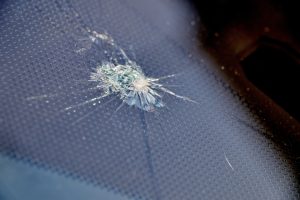
- Stone chips on the front end
- Small dents that have not broken the paint
- Kerbed alloy edges
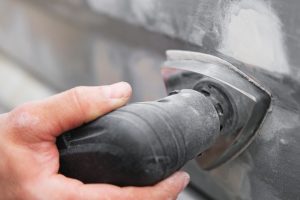
The key is that each repair is spot-sized. The technician prepares the damaged area, fills and sands where needed, then sprays and blends the colour into the surrounding paint. You can read more about the scratch side of the job on the scratch repair page.
How a multi-repair visit usually runs
Here is a rough guide to what to expect when you book in several small jobs at once.
| Stage | What happens | Typical time |
|---|---|---|
| Inspection | Technician checks each mark and agrees the plan with you | 10–15 minutes |
| Prep work | Areas are cleaned, masked and sanded ready for paint | 20–40 minutes per spot |
| Colour match and spray | Paint is mixed to your car’s code and sprayed on | 15–30 minutes per spot |
| Blending and finish | Edges are blended so the repair disappears into the panel | 15–20 minutes per spot |
| Curing and final check | Paint is cured and the finish is inspected | 20–30 minutes |
Most combined visits are finished within half a day. Your car stays where it is, and you carry on with your day.
Why panel blending matters
When you fix several marks at once, blending is what stops the repairs from being noticeable. The sprayer feathers fresh paint into the existing coat so there is no hard edge where new meets old. Done well, you cannot tell where the repair starts or ends, even on tricky colours like metallics and pearls.
This is why it pays to use a technician who mixes paint on site and matches it to your exact paint code.
The savings add up
Booking one visit for several marks is almost always cheaper than booking each one separately. You pay a single call-out, the technician sets up once, and overlapping prep stages save time. It is also far cheaper than a full panel respray, which a traditional body shop might suggest for damage that smart repair can handle in an hour or two.
Keeping small damage on top of things also helps protect your car’s value. Stone chips in particular can let water reach bare metal, and the Highway Code reminds drivers to keep their vehicle in a safe and roadworthy state as part of regular upkeep — see GOV.UK Highway Code Annex 6 for the full guidance. Catching chips early stops rust spreading and saves a bigger bill later.
When one visit is not enough
There are limits. If a panel has deep structural damage, a cracked bumper beyond plastic welding, or rust that has eaten into the metal, a smart repair is not the right answer. A good technician will tell you this on the day and point you to the next best option. For heavier dent work, the car dent repairs page explains what can and cannot be done at the roadside.
Booking a multi-repair visit
When you get in touch, it helps to:
- List every mark you want looked at, even the small ones
- Send clear photos in daylight, close up and from a step back
- Share your car’s paint code if you have it (usually on a sticker in the door shut or under the bonnet)
With that information, the technician can quote accurately, bring the right paint, and plan the visit so everything gets done in one go. No garage drop-off, no courtesy car, no waiting around.
Small marks do not have to pile up. One visit is often all it takes to get the car looking straight again.