 If you’re planning to sell or trade in your car, even small marks on the bodywork can affect how much you’re offered. But not all damage is equal. A scuff and a scratch might look similar at first glance, but they can affect your car’s value in very different ways.
In this guide, we’ll break down the difference between the two, explain how buyers and dealers judge them, and help you decide whether it’s worth getting either fixed before a valuation.
What’s the Difference Between a Scuff and a Scratch?
A scuff is usually a surface mark. It’s often caused by light contact, such as brushing against a wall, another car, or a shopping trolley. Scuffs tend to sit on top of the paint and don’t always go deep enough to damage the layers underneath.
A scratch goes further. It can cut through the clear coat and into the paint itself, sometimes reaching the metal or primer underneath. Scratches are more likely to cause long term problems, such as rust, if they’re left untreated.
Here’s a simple comparison:
| Feature | Scuff | Scratch |
|---|---|---|
| Depth | Surface level | Can go through paint layers |
| Common cause | Light contact, rubbing | Sharp contact, keys, branches |
| Risk of rust | Low | Higher if untreated |
| Usually visible from a distance | Sometimes | Yes |
| Cost to fix | Lower | Can be higher, depending on depth |
| Effect on resale value | Small | Can be noticeable |
How Buyers and Dealers See Scuffs and Scratches
When someone is valuing your car, whether that’s a dealer, a private buyer, or a trade-in service, they’re not just looking at the engine and mileage. The condition of the paintwork plays a big part too.
Scuffs are often seen as minor and cosmetic. Most buyers expect a used car to have a few light marks, so a scuff alone rarely knocks much off the price.
Scratches are judged more harshly. A visible scratch can make a car look older or less cared for, even if everything else is in great condition. If a scratch has gone deep enough to expose bare metal, a buyer may also worry about hidden rust, which can lower the offer even further.
Why Getting It Fixed First Can Make a Difference
First impressions matter a lot when selling a car. If a dealer or buyer spots damage straight away, they may use it as a reason to negotiate the price down, sometimes by more than the actual cost of repair.
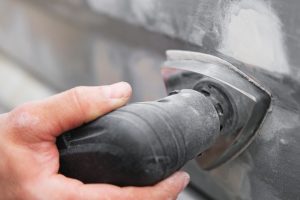
This is where smart repair techniques come in. Rather than a full respray, many scuffs and scratches can be fixed using targeted, cost effective methods. If you’re comparing scuff and scratch damage before a sale, it’s worth looking into professional scratch repair to get an accurate idea of cost and turnaround time.
For cars with several small marks across different panels, smart repairs in Kent can often fix multiple issues in one visit, which is usually quicker and cheaper than booking separate jobs.
What About Dents Alongside Scuffs or Scratches?
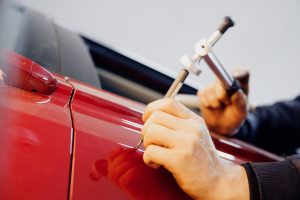
Sometimes a scuff or scratch isn’t the only issue. Impacts that cause scratches can also leave a dent behind, especially after contact with car park barriers, trolleys, or other vehicles. If you’ve noticed a dent alongside any surface damage, it’s worth getting both looked at together. Our car dent repair service can often be carried out at the same time as paintwork repairs, which saves you time before a valuation.
Is It Worth Fixing Before You Sell?
In most cases, yes. The UK government’s official guidance on vehicle maintenance, safety and security confirms that keeping your car’s exterior in good condition is part of general upkeep that matters for both safety and appearance.
Fixing a scratch or scuff before a sale usually costs far less than the amount it could knock off your final offer. It also makes the car more appealing to buyers who are comparing several similar vehicles, since a clean, well kept exterior stands out.
Final Thoughts
A scuff might not do much damage to your car’s value on its own, but a scratch is a different story. If it’s gone through the paint or looks obvious from a distance, it’s likely to affect what buyers and dealers are willing to pay.
If you’re planning to sell your car and you’re not sure whether your damage counts as a scuff or a scratch, it’s worth getting a professional opinion before you get a valuation. A quick, affordable repair now could mean a better offer later.