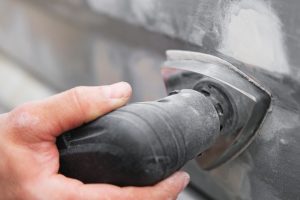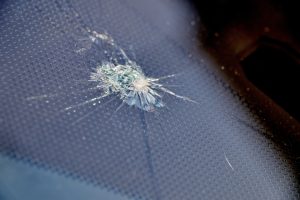
If you’ve picked up a dent, crack, or scrape on your Mini Cooper’s front bumper, you might be wondering whether it’s something you could tackle yourself. After all, there’s no shortage of YouTube tutorials and forum threads promising to walk you through the process step by step. But is replacing a Mini Cooper front bumper really a DIY job, or are you better off leaving it to the experts?
Let’s take an honest look at what’s actually involved.
What Does Replacing a Mini Cooper Front Bumper Involve?
First things first: modern car bumpers aren’t quite as straightforward as they used to be. Gone are the days when a bumper was simply a chunk of metal bolted to the front of the car. Today’s Mini Cooper bumpers are complex assemblies that integrate with multiple vehicle systems.
A typical front bumper replacement involves removing and refitting components such as fog lights, parking sensors, the front grille, air intake ducts, and various clips and brackets. Depending on your model, you might also be dealing with connections for adaptive cruise control sensors or camera systems.
The bumper cover itself is usually held in place by a combination of bolts, screws, and plastic clips. Some of these fasteners are easily accessible, whilst others require you to remove wheel arch liners or work from underneath the vehicle. It’s not necessarily complicated work, but it does require patience, the right tools, and a methodical approach.
The Case for DIY
If you’re reasonably handy with cars and have some basic tools, there’s a genuine argument for attempting a bumper replacement yourself. The main appeal is obvious: cost savings. Labour charges at a garage can add up quickly, and if you’re confident in your abilities, doing the work yourself could save you a fair bit of money.
There’s also something satisfying about working on your own car. For enthusiasts who enjoy getting their hands dirty, a bumper swap can be a rewarding weekend project. You’ll learn more about how your Mini is put together, and you’ll have the satisfaction of knowing you did it yourself.
If you’re considering the DIY route, you’ll need a few essentials: a socket set, screwdrivers (both flathead and Phillips), trim removal tools to avoid breaking plastic clips, and ideally a trolley jack and axle stands if you need to work underneath the car. A second pair of hands is also useful when it comes to lifting the bumper on and off.
The Risks You Need to Consider
Now for the other side of the coin. Whilst replacing a bumper is technically possible for a competent DIYer, there are several risks worth thinking about.
Sensor calibration is a big one. If your Mini Cooper has parking sensors, a front-facing camera, or adaptive cruise control, these systems may need recalibrating after a bumper replacement. This typically requires specialist diagnostic equipment that most home mechanics don’t have access to. Fit the bumper incorrectly or skip the calibration, and you could end up with warning lights on your dashboard or, worse, safety systems that don’t work properly when you need them.
Clip and fastener damage is another common issue. Modern bumpers use a lot of plastic clips that can become brittle over time, especially on older vehicles. Break a few of these during removal, and you’ll need to source replacements before you can refit everything properly. It sounds minor, but hunting down the right clips can be surprisingly time-consuming.
Paint matching is often overlooked too. If you’re fitting a new bumper that hasn’t been painted to match your car, you’ll need to factor in the cost of professional spraying. Colour matching is trickier than it looks, particularly with metallic or pearlescent finishes. A mismatched bumper can look worse than the damage you were trying to fix in the first place.
Finally, there’s the time factor. What looks like a two-hour job on YouTube often turns into a full day once you account for unexpected complications, trips to buy forgotten tools or parts, and the inevitable head-scratching moments. If your Mini is your daily driver, you need to consider whether you can afford to have it off the road whilst you figure things out.
When It Makes Sense to Call in the Professionals
For straightforward bumper replacements on older models without complex sensor systems, DIY can work well. But if any of the following apply, you’re probably better off booking your car into a garage:
- Your Mini has parking sensors, cameras, or adaptive cruise control
- The bumper damage is accompanied by damage to underlying structures like the crash bar or radiator support
- You need the bumper painted to match
- You’re not confident working with electrical connections
- You need the car back on the road quickly
A professional bodyshop will have the equipment to calibrate sensors properly, access to manufacturer paint codes, and the experience to spot any hidden damage that might not be immediately obvious. They’ll also guarantee their work, giving you peace of mind that everything has been fitted correctly.
The Bottom Line
Can you replace a Mini Cooper front bumper yourself? Technically, yes. Should you? That depends entirely on your skill level, the specific model you’re working on, and how much time you’re willing to invest.
For a simple bumper swap on an older Mini without lots of integrated technology, it’s a manageable DIY project for someone with mechanical experience. But for newer models with parking sensors, cameras, and other driver assistance features, the calibration requirements alone make professional fitting the sensible choice.
If you’re unsure which category your Mini falls into, or you’d simply rather leave it to someone who does this every day, the team at Smart Fix Autos is always happy to help. We’ll give you an honest assessment of the damage and a fair quote for putting things right.