Alloy wheels are one of the most vulnerable parts of your vehicle, constantly exposed to kerbs, potholes, road debris, and the general wear and tear of daily driving. When that inevitable scrape or scuff occurs, many car owners find themselves wondering whether they can tackle the repair themselves rather than seeking professional help. It’s an understandable question – after all, DIY car maintenance has become increasingly popular, and there’s no shortage of online tutorials promising quick fixes for alloy wheel damage.
At Smart Fix Autos, we regularly encounter customers who’ve attempted home repairs with varying degrees of success. Whilst we admire the DIY spirit, the reality of alloy wheel repair is more complex than many people realise. Let’s explore what’s possible at home, what’s best left to professionals, and how to make the right decision for your wheels and your wallet.
Understanding Alloy Wheel Damage
Before considering any repair approach, it’s crucial to understand the different types of damage that can affect alloy wheels. Not all damage is created equal, and the type and severity of the problem will largely determine whether a DIY approach is feasible or advisable.
Surface scratches and light scuffs represent the mildest form of damage, typically affecting only the wheel’s clear coat or paint layer. These often result from light contact with kerbs or minor abrasions from road debris. Deeper scratches penetrate through the paint and into the metal itself, whilst gouges and chips involve actual removal of material from the wheel’s surface.
More serious damage includes bent rims from pothole impacts, cracks in the alloy structure, and corrosion issues that can compromise the wheel’s integrity. Understanding where your damage falls on this spectrum is the first step in determining the appropriate repair approach.
What Can Realistically Be Achieved at Home
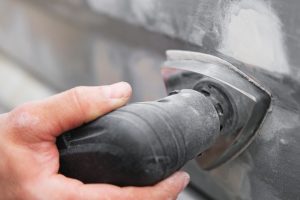
For minor cosmetic damage, DIY repairs are certainly possible and can produce acceptable results. Surface scratches and light scuffs can often be addressed using readily available products from automotive retailers. The basic process involves cleaning the affected area, sanding out imperfections, applying primer and paint, and finishing with a clear coat.
Home repair kits typically include sandpaper of various grits, primer, base paint, clear coat, and basic application tools. The key to success lies in patience, attention to detail, and realistic expectations about the final result. A well-executed home repair can certainly improve the appearance of minor damage and prevent further deterioration.
However, it’s important to understand that even successful DIY repairs rarely achieve the seamless, factory-fresh appearance that professional restoration can deliver. The results are often perfectly acceptable for older vehicles or wheels that already show signs of wear, but may be less suitable for prestige vehicles or newer alloys where appearance standards are higher.
The Limitations and Risks of DIY Repair
Whilst home repairs can address minor cosmetic issues, they come with significant limitations and potential risks that many enthusiasts underestimate. The most obvious limitation is the quality of available materials and tools. Professional-grade paints, primers, and clear coats are specifically formulated for durability and colour accuracy, whilst consumer products often represent a compromise between performance and cost.
Temperature and environmental conditions play a crucial role in paint adhesion and finish quality. Professional workshops maintain controlled environments with optimal temperature, humidity, and dust levels. Home garages rarely offer such conditions, which can result in poor paint adhesion, orange peel textures, or contamination from dust and debris.
Colour matching presents another significant challenge. Alloy wheels come in an enormous variety of finishes, from simple silver and black to complex multi-stage paints with metallic flakes, pearl effects, or textured surfaces. Achieving an accurate colour match requires sophisticated equipment and extensive experience that’s simply not available to the average DIY enthusiast.
Perhaps most importantly, there are safety considerations that many people overlook. Alloy wheels are critical safety components that must maintain their structural integrity under enormous stresses. Improper repair techniques, use of incorrect materials, or failure to identify underlying structural damage could potentially compromise wheel safety.
When Professional Repair Is Essential
Certain types of alloy wheel damage should never be attempted as DIY projects. Any structural damage, including cracks, bent rims, or impact damage that affects the wheel’s shape, requires professional assessment and repair. These issues can compromise the wheel’s ability to maintain proper tyre seal, balance correctly, or withstand the forces encountered during normal driving.
Deep gouges that penetrate significantly into the alloy material also require professional attention. Such damage may require specialist welding techniques, precision machining, or even complete refurbishment to restore both appearance and structural integrity.
Wheels with complex finishes, such as diamond-cut faces, two-tone designs, or specialist coatings, are particularly challenging to repair correctly. These finishes often require specific techniques and equipment that are simply not available to DIY enthusiasts.
The Professional Advantage
Professional alloy wheel repair services offer several significant advantages over DIY approaches. Specialist equipment, including precision lathes for diamond-cut finishes, professional spray booths, and sophisticated colour-matching systems, enables results that are simply impossible to achieve at home.
Professional technicians possess the experience to accurately assess damage, identify underlying issues that might not be immediately apparent, and select the most appropriate repair techniques. They also have access to OEM-specification materials and paints that ensure durability and appearance that matches the original finish.
At Smart Fix Autos, our mobile service brings professional-quality repairs directly to your location, combining the convenience of home service with the quality standards of a specialist workshop. Our technicians carry professional-grade equipment and materials, enabling us to achieve results that rival fixed workshop facilities.
Making the Right Decision
The decision between DIY and professional repair should be based on several factors: the type and severity of damage, your vehicle’s value and condition, your skill level and available tools, and your expectations for the final result.
For minor scratches on older wheels where a “good enough” result is acceptable, DIY repair can be a cost-effective option. However, for newer vehicles, prestige brands, or any damage that might affect safety, professional repair is strongly recommended.
Consider also the potential cost of getting it wrong. Poor DIY repairs often make subsequent professional restoration more difficult and expensive, potentially negating any initial savings.
Conclusion
Whilst minor alloy wheel damage can sometimes be addressed at home, the limitations and risks associated with DIY repair mean that professional service is often the better choice. The apparent cost savings of home repair can quickly evaporate if the results are unsatisfactory or if the repair needs to be redone professionally.
At Smart Fix Autos, we understand that cost is often a primary concern for our customers. That’s why we offer competitive pricing and mobile convenience that makes professional repair more accessible than ever. Rather than risking disappointment with a DIY approach, consider the peace of mind that comes with professional repair – your wheels, and your safety, deserve nothing less.