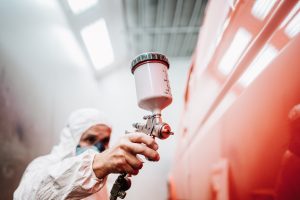
 Mobile car paint repair is one of the most convenient ways to restore scratches, scuffs and chips without the hassle of taking your vehicle to a traditional body shop. But because the work is carried out on your driveway or at your workplace, the weather has a significant impact on how evenly the paint cures and how quickly the job is finished. For drivers in Kent, understanding the best time of year to book can save both time and money, and reduce the risk of a return visit.
This guide explains how temperature, humidity and daylight influence paintwork, and which months in Kent typically offer the most reliable conditions for a clean, lasting finish.
Why Weather Matters for Mobile Paint Repairs
Modern automotive paint is applied in thin layers, with each coat needing to cure properly before the next is added. If the surrounding air is too cold, too humid or too windy, the paint can dry unevenly, trap airborne dust or develop a dull, patchy finish.
A professional mobile technician carries equipment designed to control these variables, including heat lamps, portable shelters and temperature sensors. Even so, the weather on the day still makes a noticeable difference, particularly for repairs completed outdoors.
The main factors that affect paint curing are:
- Temperature: most automotive paints perform best between 18°C and 25°C.
- Humidity: the ideal range sits between 40% and 60%.
- Wind: strong gusts can carry dust and debris onto wet paintwork.
- Daylight: longer days give technicians more natural light to complete the work accurately.
Keeping your vehicle in sound condition is also a legal responsibility. The GOV.UK Highway Code Annex 6 sets out basic maintenance standards, including keeping bodywork, lights and windows clean and unobstructed.
Best and Worst Months in Kent for Paint Repair
Kent has a mild, changeable climate. Summers are generally warm and relatively dry, while winters tend to be cold and wet. The table below offers a straightforward month-by-month guide to help you plan your booking.
| Season | Months | Conditions | Suitability for Paint Repair |
|---|---|---|---|
| Spring | March to May | Mild with occasional showers | Very good |
| Summer | June to August | Warm with extended daylight | Excellent |
| Autumn | September to October | Cooler but often dry | Good |
| Late autumn | November | Damp with shorter days | Fair |
| Winter | December to February | Cold, wet and frosty | Limited but possible |
Late spring to early autumn is generally the ideal window. May through September delivers warm temperatures, stable humidity and plenty of daylight, giving paintwork the best opportunity to cure smoothly.
Winter months are not off-limits, but repairs often take longer because technicians may need to rely on heat lamps or wait for a break in the weather. Booking in advance allows you to secure a slot as soon as conditions become favourable.
How Professionals Adapt Year-Round
Experienced mobile technicians do not simply pause work when the weather turns. They use a range of tools and techniques to stay productive throughout the year. These include portable canopies to shield the vehicle from rain and wind, infrared heat lamps to accelerate curing, and sheltered environments such as garages or carports where available.
For smaller jobs, such as stone chip repair or minor scratch repair in Kent, the work is often completed in under an hour. This means technicians can usually fit repairs between showers or during a dry morning. Larger paint blends, by contrast, benefit from more settled conditions.
Tips for Booking at the Right Time
A little forward planning goes a long way. Here are some practical tips to help you get the best possible results:
- Book early in the week if rain is forecast later on. This increases your chances of securing a dry slot.
- Choose a morning appointment, as the air is often calmer and temperatures tend to rise steadily through the day.
- Clean your car beforehand so the technician can begin straight away without delays.
- Select a sheltered location on your driveway or outside your workplace where possible.
- Plan ahead in spring, when demand typically rises after the wet winter period.
If you are unsure whether the weather will hold, your repair provider can advise on rescheduling. Most companies will move your booking at no additional cost if conditions are unsuitable for quality work.
Why Timing Affects Cost and Results
Booking at the right time of year does more than improve the finish. It can also help keep costs down. When paint cures correctly first time, there is no need for touch-ups or a follow-up visit. Well-timed repairs also protect your car against rust, since exposed metal can begin to corrode within weeks in damp conditions.
If your vehicle has picked up damage during winter, it is still worth requesting a quote. A professional SMART repair service in Kent can often address smaller issues quickly, even in cooler months, preventing the damage from worsening while you wait for warmer weather.
Final Thoughts
The best time of year to book mobile car paint repair in Kent is late spring through early autumn, when the weather is warm, dry and settled. That said, skilled technicians can still work safely throughout the year with the right equipment and a bit of planning. If your car needs attention, it is worth acting sooner rather than later. Small scratches and chips tend to worsen when left untreated, and booking early means your paintwork stays in top condition whatever the season.