When your car gets a scratch, dent or bumper scuff, you might wonder what happens during the repair. Smart body repairs have become the modern way to fix minor damage quickly and affordably. This guide walks you through each step so you know exactly what to expect.
What Are Smart Repairs?
Smart repairs (Small to Medium Area Repair Technology) fix minor car body damage without replacing entire panels. Instead of taking your car to a traditional body shop for days, smart repairs in Kent can be completed at your home or workplace in just a few hours.
These repairs work brilliantly for scratches, small dents, bumper scuffs and minor paint chips. They save you money and time whilst delivering professional results.
The Smart Repair Process: Step by Step
| Stage | What Happens | Time Needed |
|---|---|---|
| 1. Assessment | The technician examines the damage and confirms suitability | 10-15 minutes |
| 2. Preparation | Area cleaned and masked to protect the surrounding paint | 15-20 minutes |
| 3. Repair Work | Dent removal or scratch filling with specialist tools | 30-60 minutes |
| 4. Paint Matching | Exact colour match created using your paint code | 20-30 minutes |
| 5. Application | Paint applied in thin, even layers | 45-60 minutes |
| 6. Finishing | Final polishing and blending for seamless results | 30-45 minutes |
Step 1: Damage Assessment
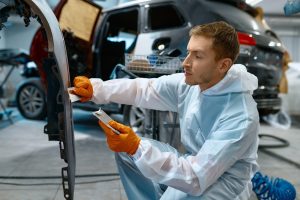
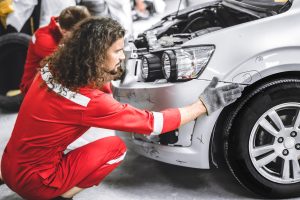
The technician carefully examines your car’s damage, checking the size, depth and location. This determines whether smart repair is the right solution. They’ll explain their findings clearly and give you an honest opinion about the best repair method.
Step 2: Thorough Preparation
Proper preparation makes all the difference. The technician cleans the damaged area completely, removing dirt, wax and loose paint. They mask off the surrounding areas with protective tape and paper. This creates clean edges and ensures paint only goes exactly where needed.
Step 3: The Actual Repair Work
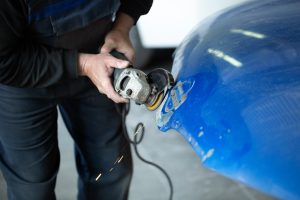
For dents, technicians use paintless dent removal techniques, carefully massaging the metal back into shape with specialised tools. For scratches, the damaged paint is sanded smooth. Deep gouges might be filled with special primers before the surface is prepared for new paint.
Step 4: Perfect Paint Matching
Getting the colour exactly right is crucial. Technicians use your car’s paint code to create the perfect match. Professional mobile car body repair services use computerised mixing systems for accuracy. Experienced technicians also adjust the mix to match your car’s current colour, accounting for any sun fading over time.
Step 5: Careful Paint Application
Paint is applied in several thin layers rather than one thick coat. Each layer is allowed to partially dry before the next goes on. This prevents runs and gives a smooth, professional finish. The technician carefully blends the new paint into existing paintwork so you won’t see harsh lines or colour differences.
Step 6: Final Finishing Touches
Once the paint has fully cured, the technician polishes and buffs the repaired area. This removes any texture differences and creates a glossy finish. A final inspection ensures everything meets quality standards from different angles and lighting conditions.
Why Professional Technique Matters
Smart repairs require real skill and proper equipment. Professional technicians understand paint chemistry, have industrial-grade tools, and know techniques refined through hundreds of repairs. Professional work also follows proper vehicle maintenance standards, as outlined in guidance like the Highway Code’s vehicle maintenance requirements. Keeping your car’s bodywork in good condition protects against rust and maintains your vehicle’s value.
When Smart Repairs Work Best
Smart repairs excel at fixing damage smaller than an A4 sheet of paper. They’re perfect for car park scratches, shopping trolley dents, bumper scuffs and stone chips. Your technician will tell you honestly if smart repair suits your particular damage or if traditional methods work better.
Getting the Most from Your Repair
Avoid washing your car for 48 hours after the repair to let the paint fully harden. After that, regular washing and waxing protect the repaired area. Park in shade when possible to prevent premature fading. Your repair should remain invisible for the life of your car with normal care.