 Got a dent in your car and not sure what to do about it? You are not alone. Loads of drivers stare at a dent and wonder if it is a quick fix or a big job. The good news is that most dents fall into one of two categories: paintless dent removal or full bodywork repair. Once you know the difference, working out which one you need is actually pretty simple.
This guide breaks it down in plain English, so you can make a quick decision before you book anything in.
What is Paintless Dent Removal?
Paintless dent removal, often shortened to PDR, is exactly what it sounds like. A technician gently massages the dent back into shape from behind the panel, without needing any paint or filler. It works because the metal is being reshaped rather than covered up.
PDR is brilliant for small, shallow dents where the paint has not cracked or split. Think hailstone damage, a stray shopping trolley, or someone opening their car door into yours in a car park. If the paint layer is still smooth and in one piece, there is a good chance PDR will sort it out.
The main perks of PDR are:
- It is usually much faster than a full repair
- It costs less because no paint matching is needed
- Your car keeps its original factory paint, which is great for resale value
- Many jobs can be done the same day
What is Full Bodywork Repair?
Full bodywork repair is needed when the damage goes deeper than the metal alone. This covers dents with cracked or chipped paint, sharp creases, scrapes down to the bare metal, or any damage where the panel has been pushed or bent out of its original shape.
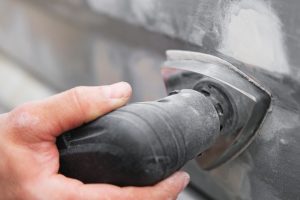
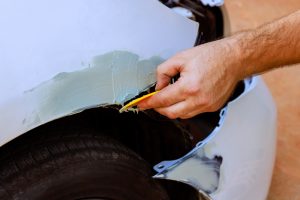
In these cases, the technician often needs to fill, sand, prime, and respray the area to get it looking right again. It takes longer than PDR and costs a bit more, but it is the only way to properly fix damage that has broken through the paintwork.
You will usually need a full bodywork repair if you notice:
- Cracked, flaking, or missing paint around the dent
- A sharp crease or fold in the metal, rather than a smooth dip
- Rust starting to form in or around the damaged area
- Scratches that have gone right through to bare metal
PDR vs Bodywork Repair: Quick Comparison
| Feature | Paintless Dent Removal | Full Bodywork Repair |
|---|---|---|
| Paint condition | Must be undamaged | Cracked, chipped, or scraped |
| Dent shape | Smooth, shallow dent | Sharp crease or deep damage |
| Speed | Often same day | Usually takes longer |
| Cost | Lower | Higher |
| Keeps original paint | Yes | No, area is resprayed |
| Common causes | Hail, door dings, trolley knocks | Kerb scrapes, collisions, rust damage |
How to Check Your Dent in 30 Seconds
Before you book anything, take a close look at the damage in good light. Run your finger gently over the dent. If the paint feels smooth and unbroken, and the dent is a soft, rounded dip rather than a sharp line, there is a strong chance it can be sorted with a quick mobile repair rather than a trip to a traditional body shop. Most mobile jobs like this are completed within a few hours, and the spray work is matched precisely to your car’s original paint if any touch up is needed.
If you spot any cracked paint, exposed metal, or a crease that looks more like a fold than a dip, it is best to go straight for a full repair. Trying to push or pull a creased panel back into shape without the right tools can actually make the damage worse.
Why It Matters for Kent Drivers
Kent’s roads bring their fair share of dings, from tight car parks in town centres to gravel tracks out in the countryside. Whether you have picked up a dent from a supermarket car park or a scrape from a narrow country lane, getting the right fix first time saves you both time and money.
If you are dealing with dents specifically, our team offers dedicated car dent repairs in Kent using the latest PDR techniques, so your panel comes back looking factory fresh without a full respray.
For damage that needs a bit more than PDR alone, our smart repairs service covers everything from small scrapes to more involved bodywork, all carried out at your home or workplace.
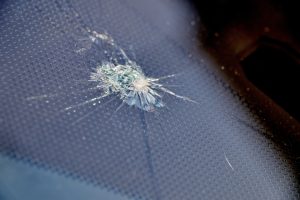
And if it is chipped paint from stone debris on the motorway rather than a dent, that is a slightly different job. Take a look at our stone chip repair service, which deals with those small paint chips before they turn into rust spots.
Looking After Your Paintwork Between Repairs
Keeping on top of small bits of damage is not just about looks. According to the UK government’s official guidance on vehicle maintenance, safety and security, keeping your car well maintained, including its bodywork, plays a part in keeping it safe and roadworthy. You can read the full guidance on the GOV.UK Highway Code Annex 6 page.
The Bottom Line
If the paint is intact and the dent is smooth, paintless dent removal is almost always the quicker, cheaper option. If the paint has cracked, the metal is creased, or there is any sign of rust, you are looking at a full bodywork repair instead.
Still not sure which one your car needs? Send us a photo and our team will tell you straight away which repair is the right fit, and give you a free, no obligation quote.